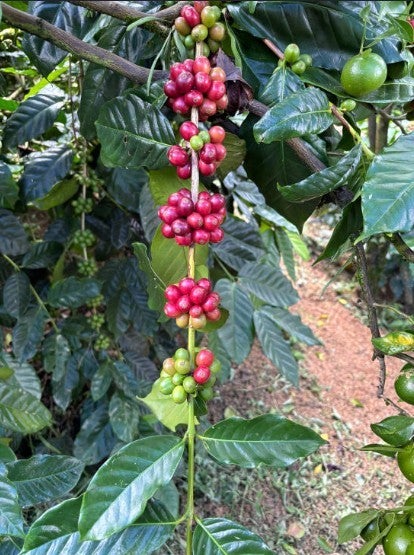
Indonesia is the world’s fourth-largest coffee producer, spanning thousands of islands across the equator. The country is best known for its distinctive wet-hulled (giling basah) processing and the earthy, full-bodied cups it produces — particularly from Sumatra. But Indonesia’s coffee story is far more diverse than any single island or process, encompassing everything from the historic estates of Java to the emerging specialty lots of Flores and Bali.
Major growing regions
- Sumatra — The largest and most famous Indonesian coffee island.
- Aceh (Gayo Highlands) — Northern Sumatra. Earthy, herbal, tobacco, heavy body.
- Lintong (Lake Toba) — Central Sumatra. Spice, cedar, dark chocolate.
- Mandheling — A trade name (not a place) referring to Sumatran coffees from the Batak region.
- Sulawesi (Toraja) — Eastern Indonesia. Cleaner than Sumatra, with dark chocolate, spice, and moderate acidity.
- Java — Historic coffee island. Estate-grown lots can be clean and balanced, sometimes aged for distinctive character.
- Flores — Small island producing increasingly interesting washed lots with bright acidity.
- Bali — Small production, mostly from the Kintamani highlands. Sweet, citric, mild.
Processing
The wet-hulled method dominates in Sumatra and Sulawesi, creating the signature earthy, herbal profile. However, washed and natural processing are gaining ground on Java, Flores, and Bali, producing cleaner, brighter cups that challenge the traditional Indonesian stereotype.
In the cup
- Wet-hulled (classic) — earth, cedar, tobacco, dark chocolate, mushroom, heavy body, low acidity
- Washed (emerging) — cleaner, brighter, fruit and floral notes appearing
- General character — full body, low acidity, often savory or herbal; a counterpoint to bright East African coffees