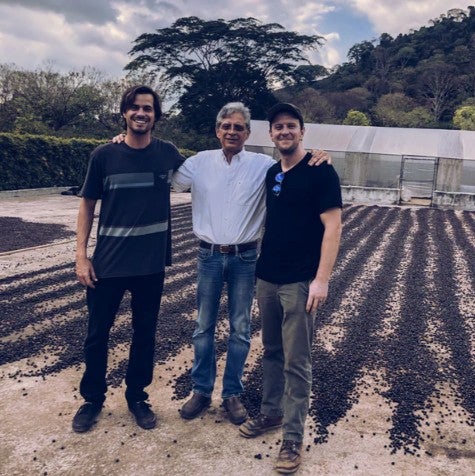
Costa Rica punches well above its weight in specialty coffee. The country is small, but its combination of volcanic soil, high elevation, and a culture of innovation has made it one of the most respected origins in the world. Costa Rica essentially invented honey processing as a deliberate quality tool and has been at the forefront of micro-mill innovation — small, farm-owned processing facilities that give producers total control over their coffee’s preparation.
Major growing regions
- Tarrazú — The most famous region, producing bright, complex, and clean washed lots. Elevation: 1,200-1,900m.
- West Valley (Valle Occidental) — Hub of honey processing innovation. Sweet, round, fruit-forward.
- Central Valley — Historic growing area around San José. Balanced, classic profiles.
- Brunca — Southern region with emerging micro-mills. Diverse profiles.
- Tres Ríos — Small, prestigious region east of San José. Clean, delicate.
The micro-mill revolution
Starting in the mid-2000s, Costa Rican farmers began building their own small processing facilities rather than selling cherry to large centralized mills. This gave them control over processing method, drying conditions, and lot separation — and allowed them to experiment with honey processing, anaerobic fermentation, and other techniques. The result has been an explosion of diverse, high-quality micro-lots.
In the cup
- Washed — bright citric acidity, honey sweetness, clean finish
- Honey processed — stone fruit, caramel, round body, moderate acidity
- General character — sweet, clean, balanced; often described as “refined”
- Elevation: 1,000m to 1,900m